Top Licensed Online Casinos in the EU in 2026: What to Look for Before You Play
The European online casino market has never been more competitive — or more tightly regulated. I've spent years reviewing gambling platforms across the EU, and I can say with confidence that 2026 has delivered both genuinely exciting new operators and, unfortunately, a growing wave of rogue platforms looking to exploit players who don't know better. Whether you've been betting online for years or you're just starting to explore what's out there, knowing how to tell the trustworthy from the dangerous isn't optional — it's essential. This guide walks through everything that actually matters, from licensing frameworks to standout platforms like kasyno Vox, so you can make informed decisions before you deposit a cent.
Why Licensing Matters for EU Online Casino Players in 2026
I'll be direct: if a casino isn't licensed, you've got no meaningful legal protection. Your money, your personal data, your entire gaming experience — all of it is exposed the moment you sign up on an unregulated platform. In the EU, gambling licenses aren't just paperwork. They're a binding commitment from the operator to meet strict standards around fair play, financial security, and player protection.
By 2026, EU member states have tightened their regulatory frameworks considerably — partly because of the surge in offshore operators actively targeting European players. Licensed casinos now face regular audits, are required to maintain segregated player funds, and must flag suspicious activity. That's the kind of structural protection that actually matters when things go sideways.
Key EU Gambling Regulatory Bodies and What They Enforce
The most recognized licensing authority in the EU context is still the Malta Gaming Authority (MGA). An MGA license means the operator has cleared serious background checks, holds adequate financial reserves, and runs certified random number generators. The MGA also requires responsible gambling tools and clear dispute resolution processes — not optional extras, but mandated conditions.
Beyond Malta, individual EU member states run their own regulatory bodies. Poland has its Ministry of Finance overseeing gambling operations. Germany works through the Joint Gambling Authority of the States (GGL). Sweden enforces compliance via Spelinspektionen. The specifics differ, but the core commitment to transparency and player protection runs through all of them. And the UK Gambling Commission (UKGC) — technically post-Brexit — remains a benchmark that many EU-facing casinos voluntarily pursue, because its enforcement reputation carries real weight in the industry.
What to Look for Before Choosing a Licensed Online Casino
I tell every reader the same thing: before you deposit a single euro, run through a basic checklist. It takes maybe five minutes. It can save you from a lot of grief. Here's what I look at every time I evaluate a new platform — no exceptions.
- License verification: Find the license number — usually buried in the footer — and check it directly on the regulator's website. Don't take their word for it.
- SSL encryption: The site should run on HTTPS and display a valid SSL certificate. Your financial data needs to be protected, full stop.
- RNG certification: Games should be audited by independent bodies like eCOGRA, iTech Labs, or GLI. That's what ensures the outcomes are actually fair.
- Payment transparency: Deposit and withdrawal methods, fees, and processing times should all be clearly listed — no hunting, no surprises.
- Customer support quality: Test it before you sign up. Send a question. A real casino responds quickly and doesn't dodge the issue.
Responsible Gambling Tools Every Reputable Platform Must Offer
This one's non-negotiable in 2026. Licensed EU casinos are legally required to offer a proper set of responsible gambling features, and I won't recommend any platform that treats these as an afterthought. What you should expect: deposit limits (daily, weekly, monthly), session time limits, reality check notifications, and self-exclusion — both temporary and permanent.
Strong platforms also link directly to organizations like Gamblers Anonymous, BeGambleAware, and national helplines. These aren't checkboxes to tick. They're what separates a platform that genuinely invests in its users from one that's purely chasing profit.
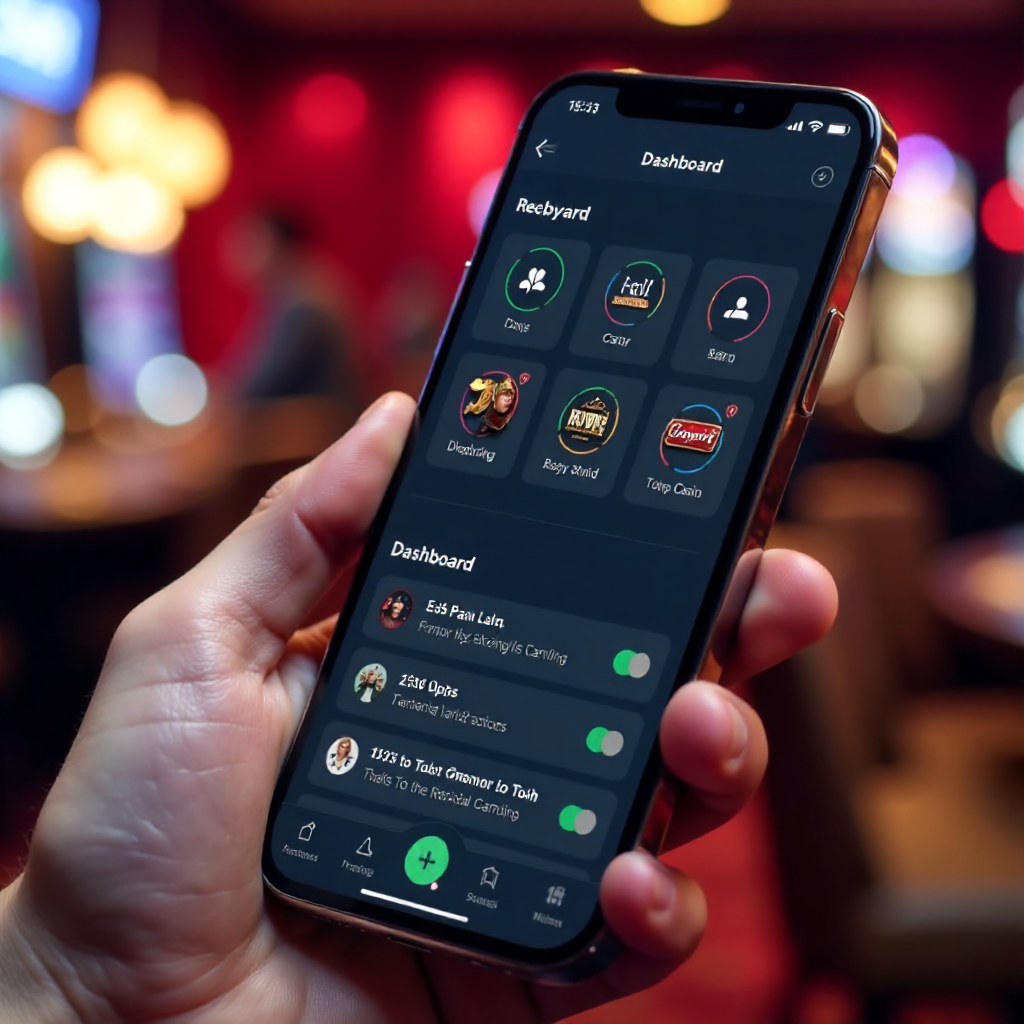
Top Licensed Online Casinos in the EU in 2026
I've reviewed dozens of platforms this year, and I've narrowed things down to operators that hold up consistently — on licensing, game quality, and real player experience. The EU market has plenty of options, but genuine trust from the player community is rarer than the marketing suggests.
Among the platforms I've tested personally, kasyno Vox consistently ranks as one of the most reliable choices for players in Poland and across the wider EU market. It runs under a recognized license, offers a well-built game portfolio, and has earned a solid reputation for fair bonus terms and payouts that actually arrive on time. For Polish players in particular, it's one of the first platforms I'd point you toward.
Other strong options in the EU space tend to share a few traits: MGA licensing, long operational track records, clear terms, and consistently positive player feedback on independent review platforms like AskGamblers and Trustpilot. Those patterns don't lie.
What Makes kasyno Vox Stand Out Among EU Players
I've dug into what actually sets kasyno Vox apart from the crowded field of EU-facing casinos, and a few things come through clearly. First, its licensing credentials are right there — visible, clearly stated, and verifiable. No vague disclaimers, no missing numbers. Second, the game library is genuinely strong in both depth and quality, with titles from providers like NetEnt, Play'n GO, and Pragmatic Play.
Bonuses are where a lot of casinos fall apart, but kasyno Vox keeps things reasonably transparent. Wagering requirements are stated upfront, and the welcome offer isn't hidden inside twelve pages of contradictory fine print. Support runs in both Polish and English — which matters more than people realize for localized user experience. In a market where plenty of international operators treat Polish players as a secondary audience, that kind of localization signals something real: they've actually invested in this player base.
Bonuses and Promotions — How to Evaluate Them Fairly
Here's the thing: nearly every casino bonus looks incredible in the headline and considerably less incredible once you read the actual terms. A 200% welcome bonus sounds great — until you find the 50x wagering requirement, the 30-day expiry window, and a maximum win cap of €50. At that point, it's not really a bonus. It's a marketing illusion with a lot of fine print attached.
When I evaluate bonuses at any licensed EU casino, I focus on four things:
- Wagering requirements: Below 30x is workable. Above 40x and you're really fighting an uphill battle to clear it profitably.
- Validity period: 7 days is tight; 30 days is fair. You need room to actually use what you've earned.
- Maximum win cap: Some casinos cap bonus winnings at genuinely absurd levels. Read this line carefully — every time.
- Game restrictions: Many bonuses quietly exclude high-RTP slots or table games. Know which titles actually count toward wagering before you start.
If the bonus terms are vague, contradictory, or require three clicks and a search engine to find — that's a warning sign. Legitimate licensed operators don't hide what they're offering.
Payment Methods and Withdrawal Speed at EU-Licensed Casinos
The payment landscape at EU casinos has shifted noticeably by 2026. E-wallets — PayPal, Skrill, Neteller — are still the go-to for speed and security. Visa and Mastercard are accepted basically everywhere, though a handful of countries have put restrictions on credit card gambling specifically. Bank transfers are still an option, especially for larger amounts, but they're slower and most players use them as a backup.
Crypto has gained real ground. Bitcoin and Ethereum are now offered by a meaningful number of licensed EU casinos. The appeal makes sense — faster transactions, more privacy — but don't let that angle distract you. Always verify that a crypto-friendly casino is still properly licensed. Some operators lean into crypto specifically to sidestep regulatory oversight, and that's a problem worth watching for.
On withdrawal speed: the industry benchmark in 2026 is 24-48 hours for e-wallets and 3-5 business days for bank transfers. If a casino is regularly taking longer than a week to process standard withdrawals without any clear justification, that deserves serious scrutiny.
Red Flags — How to Spot Unlicensed or Rogue Casinos
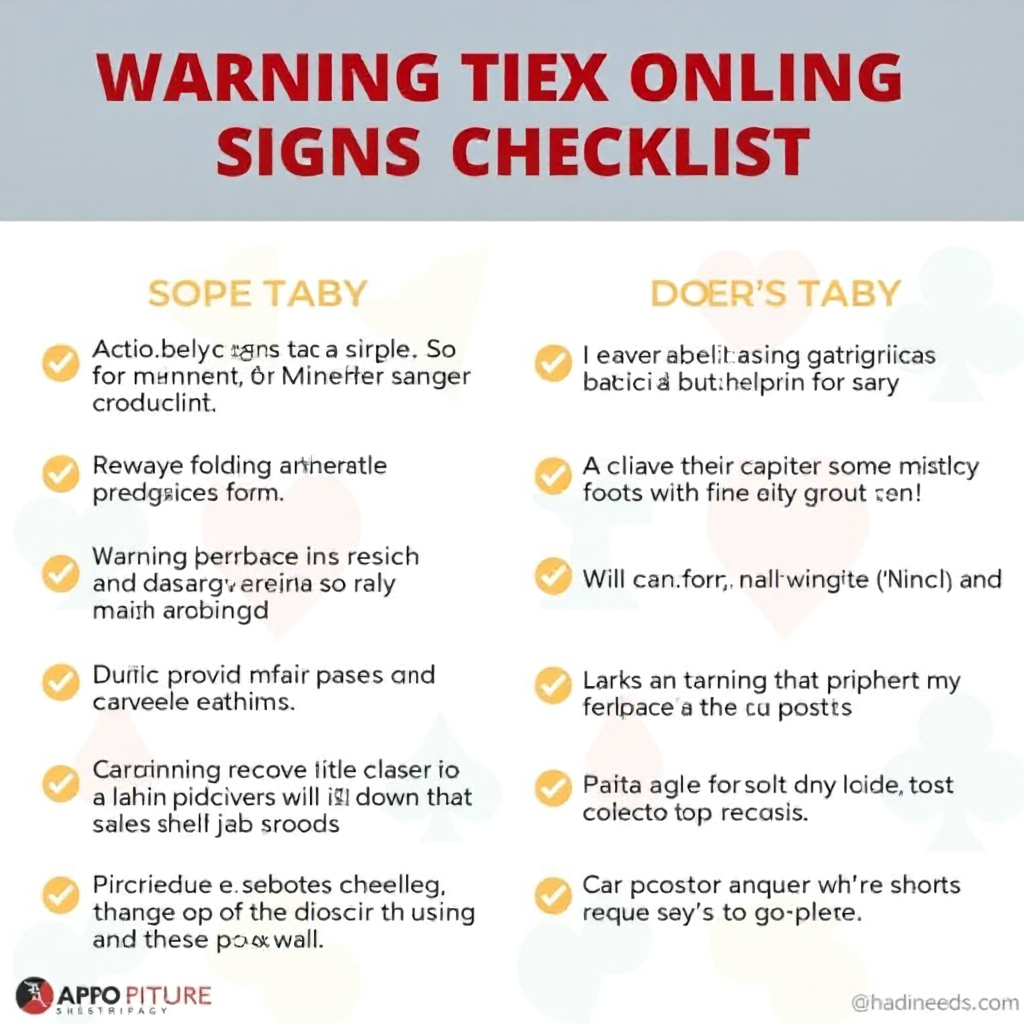
I've watched players lose thousands of euros to rogue casinos that looked completely legitimate on the surface. The signs are usually there — you just need to know what to look for. Here's my list of the biggest red flags:
- Missing or unverifiable license numbers: If you can't find it or can't confirm it on the regulator's database, don't proceed.
- Vague terms and conditions: Deliberately murky language exists for one reason — to give the casino grounds to void your winnings when it suits them.
- Delayed or refused withdrawals: The single most common complaint against rogue operators. Real casinos pay out. It's that simple.
- No responsible gambling tools: Legally required for all licensed EU operators. If they're missing, you're not dealing with a licensed casino.
- No verifiable contact information: A real casino has a real address and actual support channels — not just a contact form that goes nowhere.
- Only glowing reviews with zero criticism: That pattern almost always points to fake review manipulation. Nobody's perfect, and real feedback reflects that.
Final Thoughts — Playing Smart in the EU Casino Market in 2026
The EU online casino market in 2026 offers real entertainment value — and yes, real winning potential — but only if you go in with your eyes open. The single most valuable habit you can build is checking licensing before anything else. Game quality, bonus size, payment speed — all of it is secondary to the foundational question: is this platform legally accountable to a regulator?
Platforms like kasyno Vox show what a properly run, player-focused casino actually looks like — transparent licensing, fair terms, a solid game selection, and a genuine commitment to responsible gambling. Use that as your benchmark when you're sizing up new options.
My parting advice: bookmark two or three trusted review sources, check back on your preferred casinos' terms periodically (they do change, sometimes quietly), and set personal deposit limits no matter what the casino itself offers you. The best gambling experience is one where you stay in control. Stay informed, stay skeptical of anything that sounds too good, and you'll navigate this market a lot better than most players do.