Online Betting in Poland 2026: Legal Landscape, Trusted Platforms, and What EU Players Need to Know
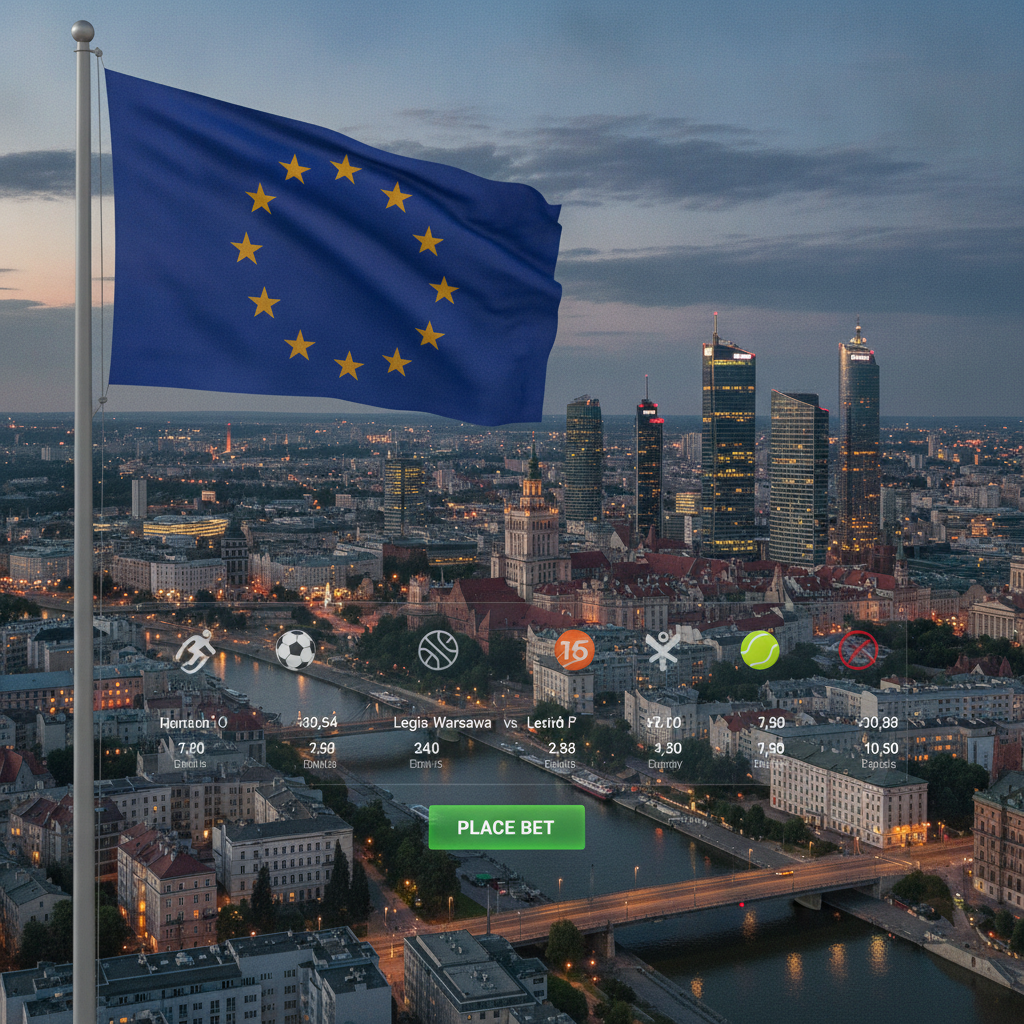
If you've been trying to make sense of online betting in Poland in 2026 — yeah, you're not alone. The regulatory picture has shifted a lot over the past few years, and whether you're a Polish resident or an EU citizen just trying to place a legal bet, there's genuinely a lot to sort through. I've put real time into researching where things stand right now, and this guide is my attempt to give you a clear, honest picture: the legal framework, platforms worth trusting, your rights as a player, and the mistakes that keep tripping people up.
The Legal Framework for Online Betting in Poland in 2026
Poland runs one of the tighter online gambling markets in the EU — that's just the reality. The core legislation is the Gambling Act (Ustawa o grach hazardowych), which has been revised several times to keep up with how fast the digital space moves. The Ministry of Finance is the main authority here: they handle licensing, monitor compliance, and go after operators who step out of line. As of 2026, the licensed operator registry is publicly available through the Ministry's official portal, so anyone can check whether a platform is actually cleared to operate for Polish residents.
How Poland Regulates Online Sportsbooks and Casinos
Under current Polish law, legal online gambling covers sports betting, poker, and certain casino games — slots being the clearest example. Live casino products, though, face a noticeably stricter review. Any platform that wants to operate legally has to secure a Ministry of Finance license, which isn't a rubber stamp: they look at financial stability, technical infrastructure, and anti-money laundering protocols before granting anything.
Enforcement against unlicensed operators has gotten sharper in 2026. The government maintains a live blacklist of unauthorized gambling sites, and Polish ISPs are legally required to block them. Payment processors face the same obligation — they can't process transactions for blacklisted operators. The takeaway is pretty simple: if you use an unlicensed site and something goes wrong, you have no legal protection. None.
Poland vs. Other EU Countries: A Regulatory Comparison
It's worth comparing Poland to other EU markets, because the differences actually matter for players. Germany's Interstate Treaty on Gambling built a federal licensing model that's broad in scope — but it gets criticized a lot for restricting bonuses too aggressively. Sweden's Spelinspektionen runs a cleaner, faster licensing process that operators tend to prefer. The Netherlands finally got its open licensing regime working under the KOA Act, after years of delays. Poland sits somewhere between all of these — more restrictive than the Dutch model, but more structured and transparent than a lot of Eastern European markets. And for EU players moving between countries: a license in one member state doesn't automatically open the door to another market. That still catches people off guard.
Trusted Online Betting Platforms Available to Polish Players in 2026
The question I get most often from readers is simple: which platforms can I actually trust? Honestly, the answer shifts depending on what matters most to you — licensing status, payment options, or day-to-day usability. In 2026, the credible options for Polish players include both Ministry of Finance-licensed domestic operators and internationally licensed platforms that have made a real effort to serve Polish users specifically.
One option that's come up repeatedly in conversations with Polish bettors is Mostbet polska, which has built a following for its sports betting coverage and support for local payment methods. That said, I'd tell anyone the same thing: before you register anywhere, check the current licensing status yourself, confirm it accepts PLN deposits, and make sure Polish-language support is actually available — not just listed on a features page.
What Makes a Betting Platform Trustworthy in the EU Market
When I'm evaluating a platform, there are a few things I won't compromise on. Licensing jurisdiction comes first — a valid license from the Polish Ministry of Finance, the Malta Gaming Authority, or the UK Gambling Commission isn't optional, it's the baseline. Payment support matters next: PLN acceptance and popular Polish payment methods need to be there. Responsible gambling tools — deposit limits, session timers, self-exclusion — have to be built in, not buried. Polish-language customer support is a real advantage, especially if you ever need to dispute something. And GDPR compliance is non-negotiable; if a platform can't explain clearly how it handles your personal data, that's your cue to leave.
Key Rights and Protections for EU Players Betting Online
Being an EU resident gives you actual legal protections when you use licensed platforms — it's not just theoretical. GDPR means you can access, correct, or delete any personal data an operator holds on you. KYC procedures can feel like a hassle, I know, but they exist to protect you from fraud and identity theft. It's one of those things that's annoying until it isn't.
Dispute resolution is where EU players have more leverage than they often realize. If a licensed operator withholds winnings without a valid reason, you can escalate to the licensing authority — and in some cases to the EU's Online Dispute Resolution platform. Anti-money laundering rules mean platforms are monitoring unusual account activity, which actually works in your favor as an honest player. Licensed operators are also required to give you access to self-exclusion tools and point you toward certified support if gambling becomes a problem.
How to Get Started with Online Betting Legally in Poland
Starting out is simpler than most people expect. First: confirm your chosen platform is on the Ministry of Finance's licensed operator list. Then set up your account with accurate personal details — get this right from the start, because KYC verification will check your identity later, and discrepancies cause delays. Upload your documents (usually a government-issued ID and proof of address), clear the verification, and you're ready to deposit.
Welcome bonuses are everywhere, but don't let them rush you. Read the terms before you claim anything. Wagering requirements, minimum odds conditions, and expiry windows can quietly drain a bonus's value — a 40x wagering requirement on a low-margin market is often worse than skipping the bonus entirely. Claiming one legally and safely just means knowing what you're agreeing to first.
Payment Methods Popular Among Polish Bettors in 2026
Polish bettors in 2026 have solid payment options. BLIK is still the dominant choice for instant domestic transactions — fast, secure, and accepted by most licensed platforms without friction. Przelewy24 bank transfers are popular for bigger deposits and withdrawals. E-wallets like Skrill and Neteller add a layer of privacy and work well with most international operators serving Poland. Crypto deposits exist on some platforms, but regulatory pressure across the EU is building in this space — expect the rules around it to keep changing.
Common Mistakes Polish Bettors Should Avoid
I've watched the same errors play out enough times that they're almost predictable. The biggest one: using unlicensed offshore sites. The odds might look good, the bonus might look better — but when something goes sideways (and eventually it does), there's nothing you can do. No regulator to call, no dispute platform to use. Zero recourse. Second on the list is misreading bonus terms. A bonus with a 40x wagering requirement tied to a low-margin sport isn't a gift — it's a trap dressed up as one.
Bankroll discipline is another area where people hurt themselves. Set a real budget, don't move the line when you lose, and never chase. And on the tax side — this one genuinely surprises people — gambling winnings in Poland can be taxable above certain thresholds, depending on the game type. If you're winning regularly and in meaningful amounts, talk to a tax advisor. The Polish tax authority pays attention to this.
Responsible Gambling Resources and Support in Poland
Licensed operators in 2026 are legally required to offer responsible gambling tools — not just mention them in the fine print. That means deposit limits, loss limits, session time caps, and self-exclusion options, including access to national self-exclusion registries. If gambling is starting to feel out of control, please reach out. In Poland, the national helpline for gambling addiction (Centrum Wsparcia dla Osób Dorosłych w Kryzysie Psychicznym) is free and confidential. EU-wide, organizations like GambleAware and Gamblers Anonymous offer multilingual support for anyone dealing with gambling-related difficulties.
Final Thoughts for EU Players Navigating the Polish Betting Market in 2026
The Polish online betting market in 2026 is meaningfully more mature and player-friendly than it was even three years back. But it still asks something from you — informed participation. My core advice hasn't changed: use licensed platforms, understand the legal framework that applies to you, exercise your rights when you need to, and don't bet money you can't afford to lose.
The regulatory picture will keep shifting as the EU works toward greater harmonization across member states. Staying current is your best protection against both legal headaches and poor platform choices. Bookmark the official regulatory sources, actually read the terms before you sign up, and treat betting as what it is — entertainment, not a financial plan. Done right, online betting in Poland is genuinely safe, legal, and worth your time.