The Role of Technology in Improving Athlete Performance and Medal Wins
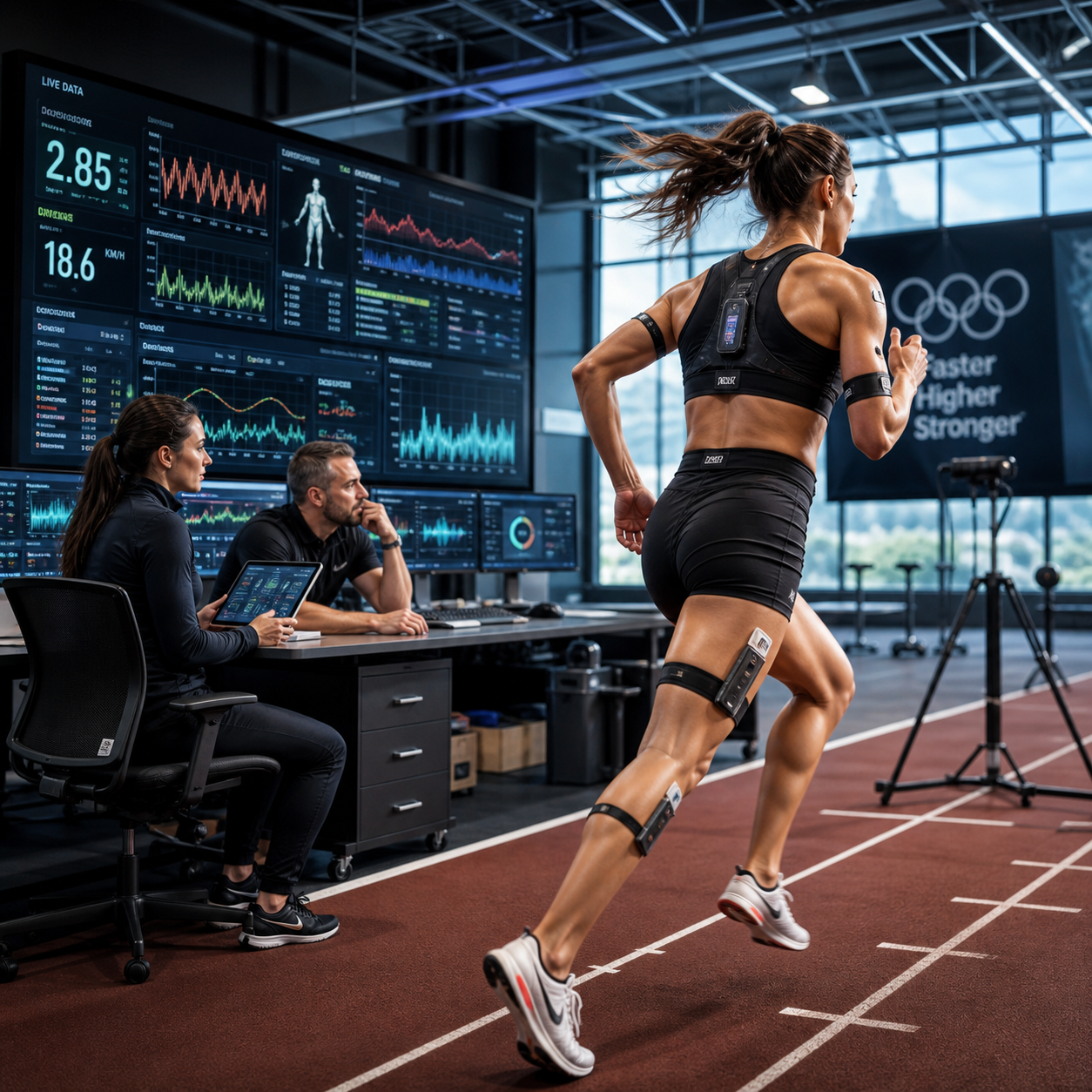
Technology has become a central part of preparation for the Olympic Games. Athletes and coaches use sports technology to measure training load, refine technique, manage recovery, and improve equipment. These tools can reveal small performance gains that matter when medals are decided by milliseconds, centimeters, or a single successful attempt.
Technology does not win an Olympic medal by itself. It improves the quality of decisions around training and competition, while coaching, discipline, physical ability, tactics, confidence, and execution remain decisive.
How Technology Has Changed Olympic Training
Technology has changed Olympic training by replacing guesswork with more individualized, data-informed preparation. Coaches still rely on experience, but they can now combine observation with continuous measurements of workload, movement, sleep, and performance.
Earlier training systems often used fixed plans based on an athlete's event, age, or previous results. Modern high-performance programs are more flexible. A coach may adjust a session after reviewing an athlete's sprint times, heart-rate response, recovery status, or technical consistency.
This creates a feedback loop:
- Measure: collect information during training and competition.
- Interpret: compare the data with goals, previous sessions, and competition demands.
- Adjust: change volume, intensity, technique, recovery, or tactics.
- Verify: test whether the adjustment produces a meaningful improvement.
For example, a swimmer may use split times and stroke-rate data to decide whether a faster opening length is helping or causing a late-race slowdown. A distance runner may use workload trends to balance hard sessions with enough recovery before a major championship.
The limitation is that more data does not automatically produce better decisions. Poorly calibrated devices, incomplete context, or excessive monitoring can distract athletes from important signals such as motivation, pain, and confidence. The most effective programs treat technology as a decision-support system rather than an authority.
Wearable Technology and Athlete Monitoring
Wearable technology helps Olympic athletes monitor movement, workload, heart rate, and other indicators during training. Sensors can show how an athlete responds to a session and whether the body is prepared for another demanding effort.
Common high-performance wearables include GPS units, inertial measurement units, heart-rate monitors, power meters, smart fabrics, and force-sensing devices. Their use depends on the sport. A cyclist may focus on power output and cadence, while a football player may track accelerations, decelerations, and total distance. A rower may monitor stroke rate, boat speed, and power distribution.
These measurements help coaches distinguish between external load and internal response. External load describes what the athlete did, such as running 10 kilometers or producing a certain power output. Internal load describes how difficult that work was for the athlete, using measures such as heart rate, perceived exertion, or recovery feedback.
That distinction matters. Two athletes can complete the same workout but experience very different physiological stress. Monitoring allows the coaching team to individualize the next session instead of applying the same prescription to everyone.
Wearables also support consistency checks. If a sprinter's acceleration pattern changes or a jumper produces less force on one side, the information may prompt a technical review before the issue becomes serious. However, sensors can be uncomfortable, data may be delayed or inaccurate, and athletes should not feel compelled to train according to a single score.
Biomechanics, Video Analysis, and Performance Data
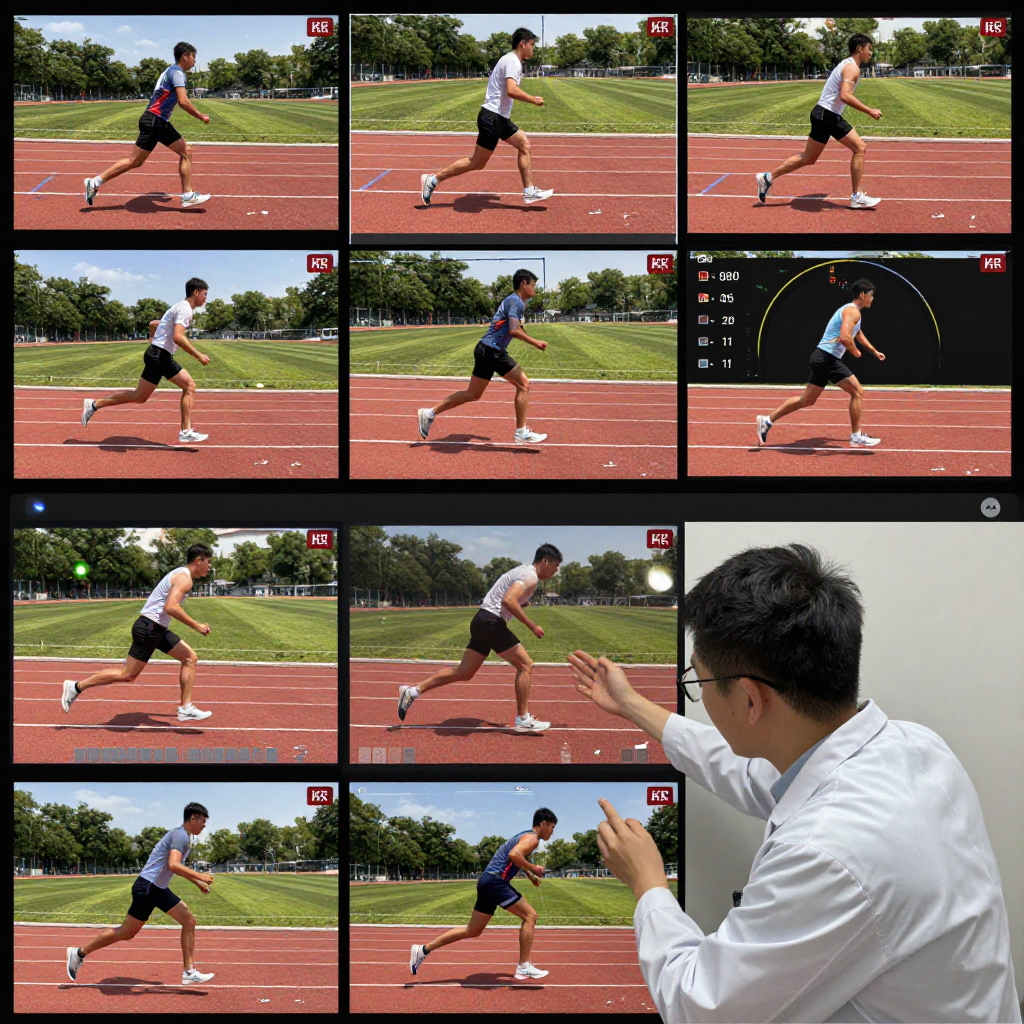
Biomechanics and video analysis improve performance by showing how an athlete moves, where energy is lost, and which technical changes are most likely to help. Coaches can examine movement frame by frame and connect technique with measurable outcomes.
High-speed cameras, motion-capture systems, force plates, pressure platforms, radar, and three-dimensional tracking are used in different sports. A throwing coach might study the sequence from the athlete's lower body through the torso and arm. A hurdler may examine stride position before takeoff. A cyclist may analyze body position to reduce aerodynamic drag without sacrificing power.
Performance analytics becomes most useful when it answers a specific question. Instead of recording every available variable, a sports scientist might ask:
- Is the athlete losing speed during a particular phase of the event?
- Does a technical change improve force production or merely look different?
- Does fatigue alter movement in a way that increases injury risk?
- Which race segments offer the greatest opportunity for improvement?
Video analysis also strengthens tactical preparation. Teams can study an opponent's patterns, while individual athletes can review starts, pacing, positioning, and decision-making. In sports judged partly by form, visual feedback helps athletes understand how execution appears to officials and judges.
A useful rule is to connect every technical observation to an outcome. A change in knee angle matters because it may affect speed, stability, or force transfer. Without that connection, analysis can become a collection of impressive images rather than a practical route to better performance.
Technology for Recovery, Injury Prevention, and Readiness
Recovery technology helps athletes manage fatigue, identify warning signs, and return to high-quality training with lower avoidable injury risk. It supports readiness decisions by combining physiological data with clinical assessment and athlete feedback.
Recovery tools may include sleep monitoring, heart-rate variability tracking, thermal imaging, force plates, blood-flow measurements, compression systems, cold-water immersion, massage devices, and rehabilitation equipment. Medical and performance teams may also use ultrasound or other clinical technologies when assessing an injury.
Sleep data can reveal changes in duration or consistency, while force testing may show whether an athlete has regained normal strength after intense work. In rehabilitation, repeated measurements help clinicians determine whether an athlete can progress from controlled movements to sport-specific drills and full competition.
Technology is especially valuable for spotting trends rather than reacting to one unusual reading. A single poor sleep score does not necessarily require a canceled workout. Several days of declining readiness, reduced force output, irritability, and persistent soreness provide a stronger reason to modify training.
There are trade-offs. A recovery device may improve comfort without speeding biological healing, and a wearable cannot diagnose an injury. Athletes still need qualified medical advice, appropriate nutrition, sufficient sleep, and honest communication. Overreliance on readiness scores can create anxiety, particularly when an athlete feels capable but a device reports a low value.
Equipment Innovation and Its Impact on Medal Prospects
Equipment innovation can improve Olympic performance by reducing energy loss, increasing control, or helping athletes apply force more efficiently. Its effect depends on the sport, the athlete's technique, and the equipment rules governing competition.
Examples include lighter bicycles, aerodynamic clothing, advanced running shoes, responsive swimsuits, improved prosthetic components, stronger poles, specialized skis, and redesigned boats. Venue technology also matters. Timing systems, track surfaces, lighting, ice quality, and measurement equipment can influence how athletes perform and how accurately results are recorded.
Equipment gains usually work through small mechanisms. A shoe may return energy or improve traction. A racing suit may reduce drag. A bicycle frame may improve aerodynamics. A pole may store and release energy in a way that suits an athlete's technique. None of these benefits removes the need for strength, coordination, tactical judgment, and competition experience.
Equipment must also fit the athlete. The most advanced product may be unsuitable if it changes technique, causes discomfort, or performs poorly in particular conditions. Testing should take place well before the Olympic Games, allowing athletes to compare equipment under realistic loads and weather conditions.
Rules are essential. International federations and Olympic authorities establish standards for dimensions, materials, safety, and permitted technology. These regulations try to preserve a meaningful relationship between human performance and equipment while allowing responsible innovation.
From Data to Olympic Medals: The Human Element
Technology contributes to Olympic medals indirectly by helping people make better decisions; it cannot guarantee a medal. The final result still depends on execution under pressure, physical preparation, tactics, resilience, and the unpredictable nature of competition.
A successful performance team usually includes the athlete, coach, strength and conditioning specialists, sports scientists, physiotherapists, doctors, analysts, nutrition professionals, and equipment experts. Each person interprets technology through a different lens. A coach understands the event's tactical demands, while a biomechanist may identify a movement inefficiency that is invisible during ordinary observation.
The human element determines whether data becomes useful action. An athlete must trust the process, understand why a change is being made, and reproduce it when fatigue and pressure rise. A coach must decide when to follow the data and when experience or an athlete's lived feedback deserves greater weight.
Consider a rower whose analysis shows that a higher stroke rate could produce more speed. The adjustment may work in testing but fail in a final if it causes early fatigue. The coaching team must combine performance data with race strategy, recent recovery, weather, and the athlete's confidence.
The strongest approach is a simple filter: Does the information improve preparation, execution, or decision-making? If it does none of these, collecting it may add complexity without adding performance value.
Challenges, Fairness, and the Future of Sports Technology
The main challenges of sports technology are unequal access, privacy, regulation, cost, and the risk of confusing measurement with performance. The future of Olympic sport will depend on using innovation while protecting fair competition and athlete welfare.
Well-funded national teams may employ dedicated laboratories, advanced motion capture, custom equipment, and large analysis staff. Athletes from smaller programs may rely on fewer specialists and shared facilities. This creates an access gap that can influence preparation before an athlete ever reaches the Olympic starting line.
Data ownership is another concern. Wearables and medical systems collect sensitive information about health, fatigue, injury, and training capacity. Athletes should know what is collected, who can access it, how long it is stored, and whether it could affect selection or contract decisions.
Regulation must keep pace with innovation. Governing bodies need transparent rules for equipment, sensors, artificial intelligence, data sharing, and technology-assisted officiating. A level playing field does not require identical tools for every athlete, but it does require clear standards and meaningful access to approved competition technology.
Future systems may combine computer vision, digital twins, predictive modeling, and real-time feedback. These tools could help coaches simulate race strategies or identify subtle changes in technique. Their predictions will still carry uncertainty. A model trained on past data may miss unusual conditions, individual differences, or the psychological demands of an Olympic final.
Frequently Asked Questions
How does technology improve athletic performance?
Technology improves athletic performance by measuring training load, movement, technique, recovery, and competition patterns. Coaches use those measurements to individualize training and correct inefficiencies.
Which technologies are commonly used by Olympic athletes?
Common examples include wearable devices, GPS trackers, heart-rate monitors, power meters, high-speed video, motion capture, force plates, recovery technology, performance analytics software, and sport-specific equipment.
Can technology directly guarantee an Olympic medal?
No. Technology can improve preparation and decision-making, but it cannot guarantee an Olympic medal. Athletic ability, coaching, tactics, mental preparation, health, and execution remain essential.
How does technology help prevent sports injuries?
Technology can identify changes in workload, movement symmetry, force production, and fatigue that may signal increased risk. Medical professionals then use this information alongside examination and athlete feedback.
Does advanced equipment create an unfair advantage?
It can create concerns when equipment provides a substantial benefit, is unavailable to most competitors, or changes the nature of the event. Sporting federations address this through equipment standards, approval processes, and competition regulations.
Technology has transformed Olympic preparation by making performance more measurable and decisions more precise. Its greatest value lies in the partnership between reliable tools and experienced people. When athletes and coaches use data thoughtfully, technology can turn small gains in training, technique, recovery, and equipment into stronger medal prospects while preserving the human achievement at the center of Olympic sport.