The Economics Behind Olympic Success: How Funding Shapes Medal Performance
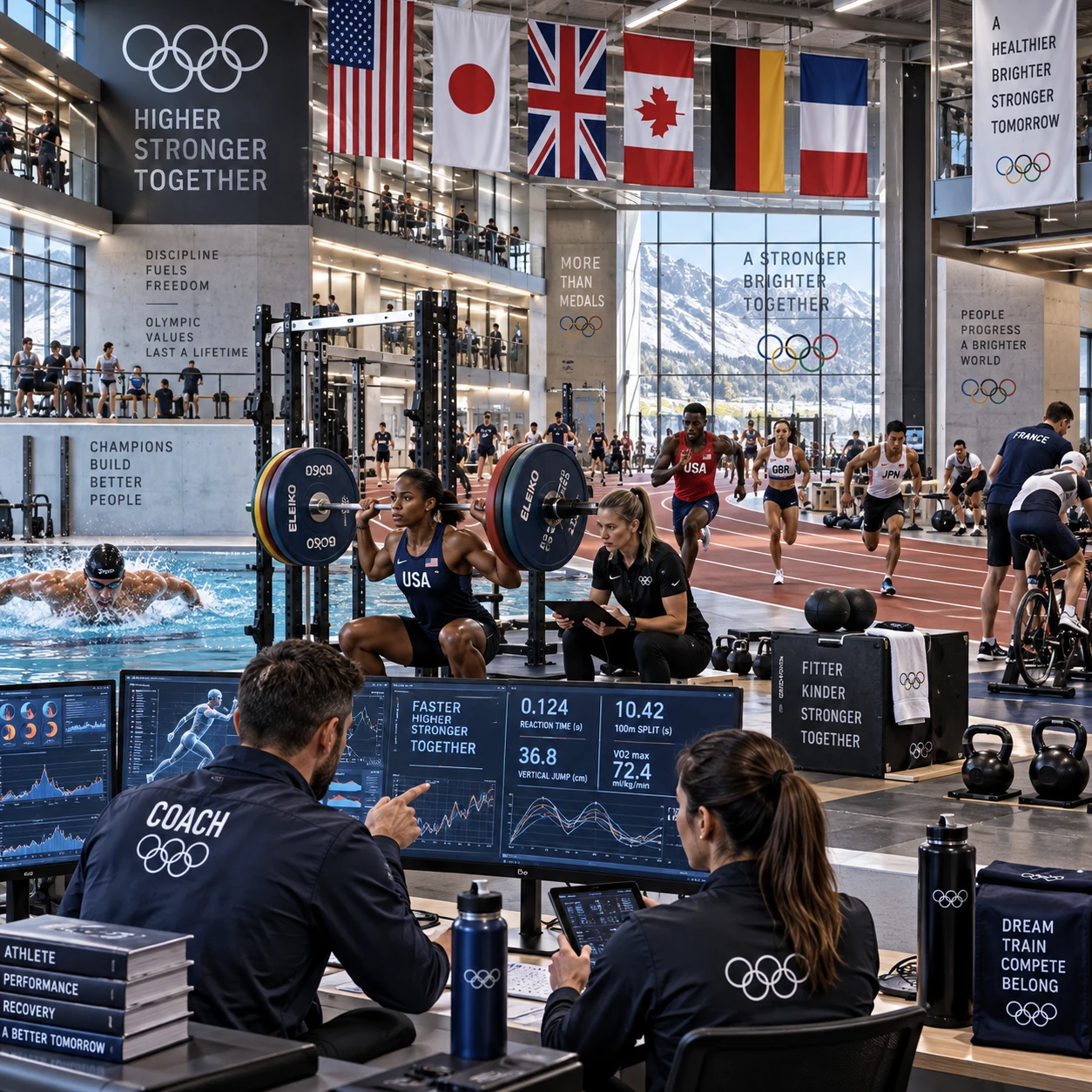
Olympic medals are won in seconds, but the preparation behind them can take years. Training, coaching, travel, equipment, sports science, and athlete welfare all require resources, and those resources can shape who gets the chance to reach the podium.
Still, money does not translate neatly into medals. Funding can build a stronger path from beginner participation to elite competition, but outcomes also depend on talent, access, coaching decisions, and performance under pressure. Understanding Olympic success means looking at both the investment and the system that puts it to work.
What Olympic success costs
Preparing an athlete for Olympic competition requires sustained investment in training, expert support, equipment, and opportunities to compete. The exact cost varies by sport, athlete, and country, but elite preparation is rarely a single expense.
A national athlete development program may support years of progression: identifying promising participants, building technical skills, and helping top competitors manage the demands of international events. Athletes may need regular access to training facilities, qualified coaches, physiotherapy, nutrition advice, and sports science. Some sports also require specialized equipment or venues that are expensive to maintain.
Competition itself adds costs. Athletes and coaching teams travel to domestic and international events to gain experience, test tactics, and meet qualification standards. A season of travel, accommodation, entry fees, and equipment transport can be a major burden, especially when athletes receive little or no direct financial support.
The real investment is cumulative. A training center may serve many athletes over time, while personalized coaching and competition support follow individual athletes more closely. A country looking only at the price of an Olympic delegation misses the years of development that made qualification possible.
Where Olympic sports funding comes from
Olympic sports funding typically comes from a mix of government sports investment, national Olympic committees, sport organizations, sponsorship, and private support. The balance differs by country and sport, so there is no single funding model behind Olympic medal performance.
Governments may fund public sports facilities, national governing bodies, coaching programs, athlete grants, or high-performance centers. Their investment can also support participation at community and school levels, where future elite athletes may first encounter a sport.
National Olympic committees (NOCs) coordinate aspects of a country’s Olympic participation and may distribute resources, provide services, or work with national federations. The International Olympic Committee also supports the Olympic Movement through programs and funding arrangements, but athletes’ day-to-day preparation is generally shaped by their country’s system and sport-specific organizations.
Sponsorship and private funding can fill gaps through equipment, athlete endorsements, scholarships, or direct contributions to programs. Universities, clubs, foundations, and donors may also support training and competition. Private money can bring flexibility, but it may flow toward high-profile sports or athletes with strong commercial appeal rather than areas with the greatest development need.
For an overview of how the Olympic Movement is organized, the [International Olympic Committee](https://olympics.com/ioc) provides information about its role and programs. The key practical question for each athlete is how these different sources connect, and whether support arrives reliably across the full development pathway.
How investment reaches athletes
Investment reaches athletes through services and opportunities that improve preparation: coaching, training facilities, equipment, competition access, and personal support. A large budget matters less if it fails to address the barriers athletes face in their specific sport.
Funding may pay for:
- Coaching and support teams: sport-specific coaches, physiotherapists, doctors, psychologists, strength specialists, and performance analysts.
- Facilities and equipment: safe training venues, specialist surfaces, boats, bikes, mats, protective gear, or technology suited to the event.
- Sports science: performance testing, injury prevention, recovery planning, and analysis of technique and competition demands.
- Travel and competition: transport, accommodation, entry costs, and access to events that build experience or support qualification.
- Athlete welfare: grants, education support, nutrition, health care, and help balancing training with work or study.
Good allocation often depends on timing. A new facility may take years to plan and build, while an athlete approaching qualification may need immediate travel support or access to an experienced coach. Programs also need ways to identify gaps, rather than assuming every athlete requires the same package.
There are trade-offs. Concentrating funding on a small group of medal contenders can improve immediate preparation, but it may narrow opportunities for emerging athletes. Spreading resources widely can strengthen participation and the talent pool, though each athlete may receive less specialized support.
Why funding can influence medal outcomes
Funding can improve medal prospects by making sustained, high-quality preparation more accessible. It supports the training consistency, coaching expertise, and competition experience that help athletes turn potential into elite performance.
Reliable support can prevent avoidable interruptions. An athlete who can reach an appropriate facility, replace worn equipment, and attend key competitions has more chances to build skill and learn how to perform under pressure. Access to sports science and medical care may also help coaches adjust workloads and respond to injury risks.
Investment can matter before athletes reach the national team. Community programs and school access widen the pool of participants; clubs and development programs help athletes improve; high-performance services support those who reach the elite level. Weak links at any stage can limit the value of spending elsewhere. A world-class center cannot compensate for a shortage of qualified local coaches if few young athletes can enter the sport.
Funding can also help a country develop strength in particular sports. Existing facilities, coaching knowledge, sporting culture, and accessible participation may make some events more practical to support than others. Medal performance is often shaped by a system’s accumulated experience, not just by a late increase in spending before the Games.
These effects are gradual and uncertain. An investment can improve preparation without producing a medal at the next Olympics; competition outcomes remain sensitive to injuries, form, tactics, and the performance of rivals.
Why money alone does not guarantee medals
Money alone cannot guarantee Olympic medals because resources must meet real needs, reach athletes at the right time, and support effective coaching and performance. Even a well-funded program cannot control every factor on competition day.
Countries also differ in population, participation rates, sporting traditions, and the range of sports athletes can access. A smaller country may have fewer potential competitors, while a country with broad participation may develop talent across more events. Neither starting point guarantees a particular result.
Program quality matters as much as the budget. Poorly targeted spending, fragmented responsibilities, or short-term changes in strategy can weaken athlete development. Medal-focused selection may also overlook athletes who need time to mature or sports where progress is measured over a longer cycle.
Finally, medals are a narrow outcome. A strong athlete can finish just outside the podium after years of excellent preparation. Conversely, one exceptional result does not prove that a funding system is effective across sports or sustainable over time. Investment increases opportunity; it does not buy certainty.
Measuring the return on Olympic investment
The return on Olympic investment is best assessed through medal performance alongside broader measures of athlete development, participation, and system quality. Medal totals are visible, but they provide only a partial picture of what funding achieved.
Governments, NOCs, and sport organizations can assess progress using a mix of indicators:
- Whether athletes have dependable access to qualified coaching, facilities, and medical support.
- Whether more people can participate and progress through development programs.
- Whether athletes qualify for major events, improve personal performance, or reach finals and podiums.
- Whether funding is distributed transparently and addresses gaps across sports and regions.
- Whether facilities and support programs remain useful beyond one Olympic cycle.
This approach helps distinguish a temporary medal spike from durable development. It also makes the trade-offs clearer: funding elite teams may support near-term medal goals, while investment in community access and coaching capacity may produce benefits over a longer period.
For athletes, the most useful measure is often practical: can they train and compete without preventable financial or logistical barriers? For sports administrators, the challenge is connecting that day-to-day support to clear long-term goals, then reviewing whether the spending is working.
Frequently asked questions about Olympic funding
Does higher sports spending always lead to more Olympic medals?
No. Higher spending can improve access to training and support, but medals also depend on participation, program quality, sport-specific strengths, athlete health, and performance on the day.
Who funds Olympic athletes?
Support may come from governments, national Olympic committees, national sports federations, clubs, universities, sponsors, foundations, and personal resources. The mix varies by country and athlete.
What kinds of support matter most for elite athletes?
Support depends on the sport and the athlete’s needs. Coaching, appropriate facilities, equipment, health care, sports science, competition travel, and stable financial assistance can all contribute to preparation.
How can a country invest in long-term Olympic success?
Build a connected pathway from broad participation to elite training, develop qualified coaches, maintain suitable facilities, and provide reliable support over time. Review medal results alongside access, athlete welfare, and the strength of development programs.