Top Licensed Online Casinos in the European Union in 2026: What Players Should Look for Before Signing Up
If you've spent any time hunting for a solid online casino in the EU lately, you already know how fast the options pile up. Hundreds of platforms are competing for your attention — each one promising the biggest bonuses, the broadest game library, the fastest cashouts. But not all of them deserve your trust, let alone your money. In 2026, the gap between properly licensed, regulated operators and the shady ones lurking in the background has never been wider. So before you hand over your card details or upload your ID to anyone, here's what you actually need to know.
Why Licensing Matters More Than Ever for EU Casino Players in 2026
I'll be direct: playing at an unlicensed casino in 2026 is a genuinely bad idea. It's not just about the risk of losing money unfairly — it's about having zero legal recourse when things go sideways. Disputes over unpaid winnings, frozen accounts, or games that don't play fair are essentially dead ends when there's no regulatory framework involved. Licensed casinos, by contrast, are legally bound to follow rules that are specifically designed to protect you.
EU member states have noticeably ramped up enforcement against unlicensed operators over the past few years. Blocking orders, financial penalties, even criminal proceedings — these have all become more routine. If you're playing somewhere unregulated, you're operating in a space where the house writes every rule, including the ones about whether you ever see a payout.
The EU Regulatory Landscape in 2026
One thing worth getting straight: the EU doesn't have one unified gambling regulator. Each member state runs its own licensing authority under its own legal framework. The Malta Gaming Authority (MGA) is still one of the most respected bodies in Europe — its licenses are recognized across multiple jurisdictions and carry real weight. Poland's Ministry of Finance and its Gambling Commission run a notably tight domestic market. And then there's the Swedish Gambling Authority (Spelinspektionen), the Danish Gambling Authority, and Romania's National Gambling Office (ONJN), all operating independently but increasingly in coordination.
Cross-border enforcement has tightened considerably. Regulators now share information and actively cooperate on blocking unlicensed platforms. The net of protection is genuinely growing — but it only covers you if you're playing at a properly licensed operator to begin with.
Key Criteria Every Player Should Check Before Signing Up
Before you enter any financial information or hand over personal documents, run through this checklist. Think of it as basic due diligence — the same kind you'd do before any significant financial decision.
- Valid License Number: Every legitimate casino displays its license number in the website footer. Don't just read it — cross-check it directly on the regulator's official site.
- Game Fairness Certification: Look for seals from independent testing agencies like eCOGRA, iTech Labs, or BMM Testlabs. These organizations verify that the random number generators (RNGs) actually work fairly.
- Transparent Terms and Conditions: If the T&Cs are buried in tiny print or written to confuse rather than inform, that's already a warning sign.
- Secure Payment Processing: SSL encryption, recognizable payment providers, and clear KYC policies — none of these are optional.
- Responsive Customer Support: Test the live chat before you deposit. A platform that ignores pre-sales questions will absolutely ignore post-deposit complaints.
Responsible Gambling Features and Player Protections
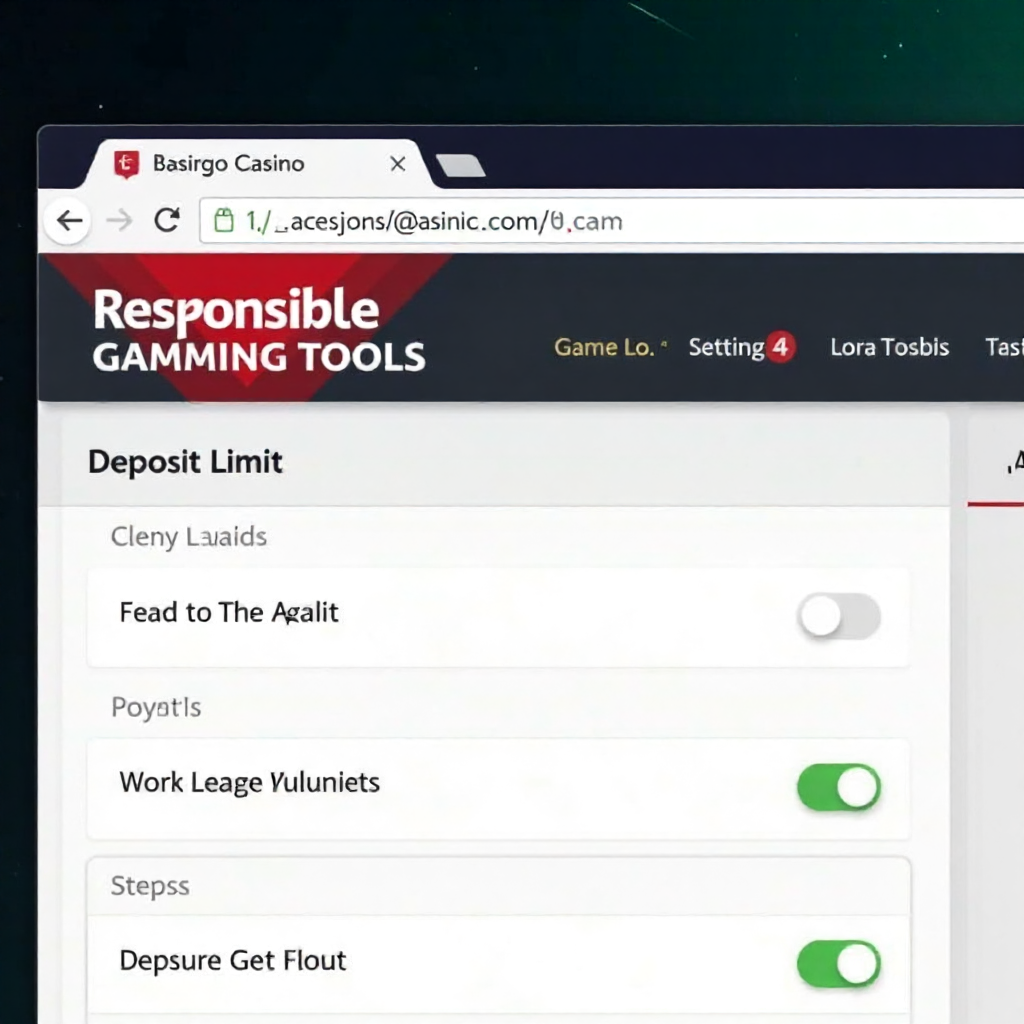
This is an area I care about more than most, and it's one of the clearest ways to separate operators who actually take player welfare seriously from those who are just ticking regulatory boxes. EU regulators — particularly the MGA and the Swedish Gambling Authority — require licensed casinos to provide a real suite of protection tools: deposit limits (daily, weekly, monthly), session time limits, reality checks, self-exclusion options linked to national exclusion registers, and clear references to support organizations like Gamblers Anonymous and national helplines.
When I look at any casino, I always check whether these tools are genuinely easy to reach or buried five menus deep where almost no one would find them. A platform that actually cares about its players makes these features visible and simple to use. If I can't locate the self-exclusion option within two minutes, I treat that as a red flag — full stop.
Spotlight on Regulated Platforms — Vox Kasyno and What Sets It Apart
When I think about regulated platforms worth considering in 2026, Vox kasyno keeps coming up as a clear example of how a properly structured online casino should actually operate. What makes it stand out isn't just the licensing — it's the overall approach to transparency and player experience you'd expect from a genuinely compliant EU-facing platform.
Vox Kasyno operates with a clearly visible licensing framework, which already separates it from the shadier end of the market. Its game library draws from well-known, audited software providers, meaning the games themselves have been independently verified for fairness. For Polish players especially, having access to a platform that aligns with domestic regulatory expectations matters — it means your deposits and winnings sit within a framework that's actually built to protect you.
The payment infrastructure is worth noting too. It supports a range of methods that European players will recognize, with clear withdrawal timelines and a KYC process that — while thorough — is handled efficiently. I've found that how a casino manages identity verification tells you a lot about its overall operational standards. Platforms that cut corners on KYC tend to cut corners in other places too. It's almost always a pattern.
Payment Methods and Financial Security at EU-Licensed Casinos
Payment security is one of the core pillars of a trustworthy casino experience. In 2026, the range of accepted payment methods at EU-licensed platforms has expanded, though the fundamentals of what makes them secure haven't changed.
For most European players, local bank transfers remain the most straightforward option — SEPA transfers in particular offer relatively fast processing and solid consumer protections. E-wallets like Skrill, Neteller, and PayPal are still popular for players who want speed and a layer of separation between their bank account and casino activity. Prepaid cards like Paysafecard work well for anyone who wants to keep hard spending limits without linking personal financial accounts at all.
Crypto options have grown at regulated EU casinos, but the regulatory picture is still patchy. Some licensing jurisdictions have clearer frameworks for crypto transactions than others — so if you're planning to use Bitcoin or anything similar, check that your chosen casino's license explicitly covers it.
One thing I'll always say: read the withdrawal policy before you deposit. Know the expected processing times, any fees involved, and what documents you'll need for KYC. Most regulated EU casinos will ask for a government-issued ID, proof of address, and possibly proof of payment method. Having everything ready in advance makes the process a lot less painful.
Bonuses and Promotions — How to Read the Fine Print
Welcome bonuses are among the most heavily marketed features in online gambling, and also among the most misunderstood. A 200% match bonus sounds great until you work out that the wagering requirements make it nearly impossible to withdraw anything that comes from it.
When I'm evaluating any bonus at an EU-licensed casino, I focus on a few specific things. The wagering requirement — usually expressed as a multiplier like 30x or 40x — tells you how many times you need to bet through the bonus before a withdrawal is possible. Anything above 40x starts looking very unfavorable. Bonus caps limit how much you can actually win from bonus funds, and time restrictions dictate how long you have before the whole thing expires.
Reputable, regulated platforms set themselves apart with bonus terms that are genuinely achievable and written in language that doesn't require a legal background to understand. If deciphering a casino's promotional terms feels like homework, that's deliberate — and it's not working in your favor.
Common Red Flags and Mistakes to Avoid When Choosing an EU Casino
I've seen the same patterns repeat with problematic casino platforms enough times that they're pretty recognizable now. Spotting them early saves real frustration — and real money.
- Missing or Unverifiable License Numbers: No license number displayed, or a number that doesn't appear on the regulator's public register? Walk away.
- Consistently Delayed Payouts: A pattern of slow withdrawals — even when there's always an explanation — usually points to financial instability or deliberate stalling.
- Hidden Bonus Conditions: Terms that shift after you've accepted a bonus, or conditions buried in footnotes that contradict the headline offer, are classic manipulation tactics.
- No Responsible Gambling Tools: Licensed EU casinos are legally required to provide these. If they're missing, the platform almost certainly isn't properly authorized.
- Aggressive Unsolicited Bonuses: Platforms that push bonuses onto your account without your consent are often trying to trap you in unfavorable wagering cycles.
- Poor or Non-Existent Customer Support: Test it before you deposit. Automated responses that never actually resolve anything are a serious warning sign.

Final Thoughts — Choosing the Right Licensed Casino in 2026
The EU online casino market in 2026 is more regulated than it's ever been — but that doesn't mean every player automatically benefits from those protections. They only apply if you choose to play at a properly licensed platform in the first place.
My advice is straightforward: start with the license. Verify it directly on the regulator's website — not just from what the casino tells you about itself. Then look at the game fairness certifications, the payment security setup, the responsible gambling tools, and how clearly the bonus terms are written. And test customer support before you commit any funds.
Platforms like Vox Kasyno show what a compliant, player-focused operation actually looks like — transparent licensing, verified games, clear payment processes, and the kind of responsible gambling infrastructure that EU regulators rightly require. Those are the benchmarks worth holding other platforms to.
Patience and due diligence pay off in this space. An extra twenty minutes of research before signing up can dramatically cut your chances of running into problems later. In a market this competitive, the best operators earn your business by being trustworthy — and in 2026, that trustworthiness starts with a valid license and everything that comes with it.